CINCO follows Ruby, a kid from a working-class neighbourhood in Madrid, tired of the violence and mistrust running through his group of friends. On the eve of San Juan, every plan becomes a contest over who can push further — until a rumour turns the whole group against him, with the bonfires burning in silence.
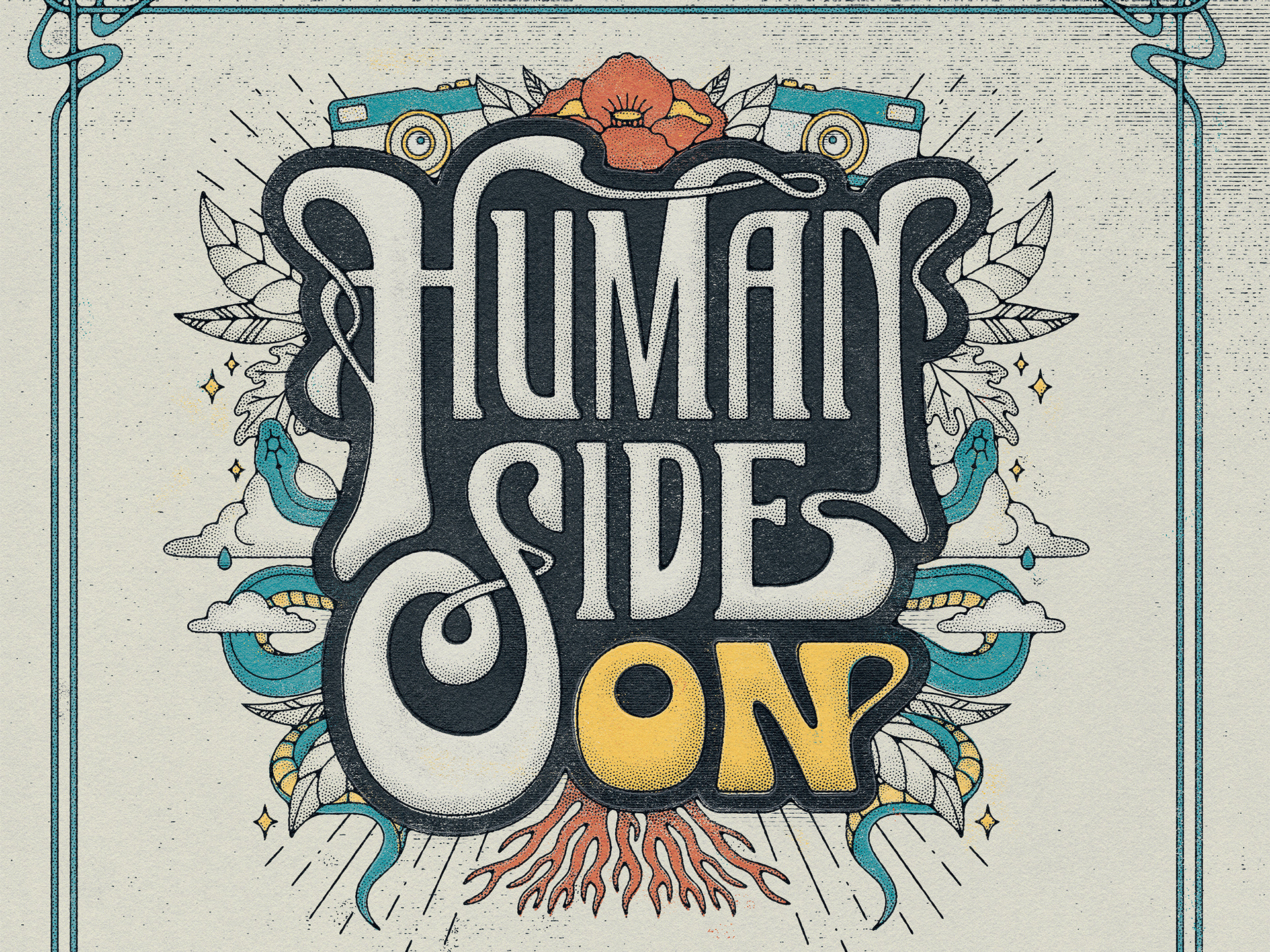
I supervised the VFX for the entire film and designed its graphic identity: poster, titles and end credits.
The film looks at those neighbourhoods from the inside, refusing clichés and refusing to underline anything. The visual layer had to do the same: carry the tension without ever announcing itself. From the fire to the lettering, everything had to feel like it belonged to the street the film comes from.
The poster came first
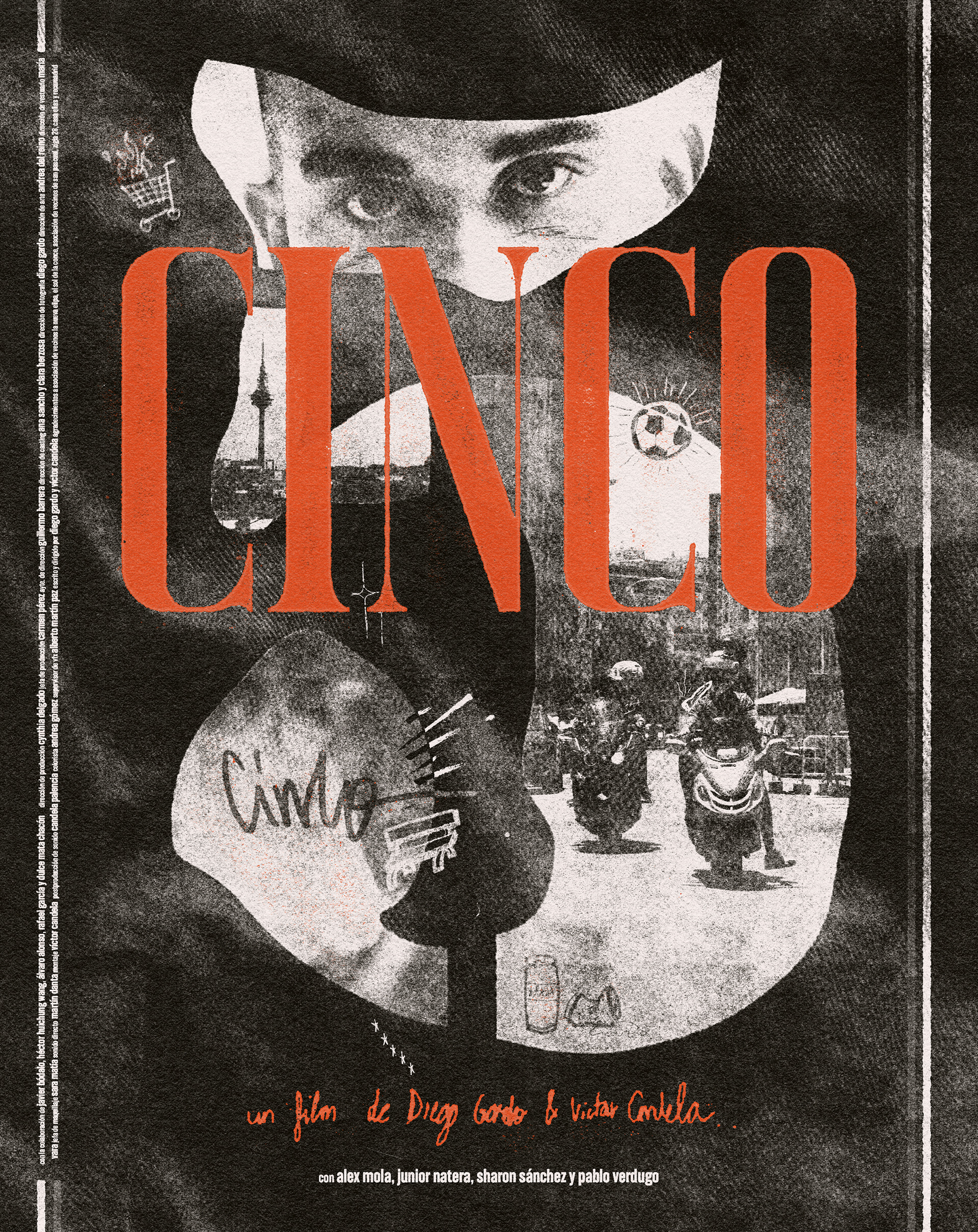
I wanted the poster designed before anything else, so the rest of the film's identity could grow out of it. It draws from the same places the film does: football, the neighbourhood, a certain grunge. Something between the brutalist and the tactile weight of print — the kind of image you'd want to run through an old press.
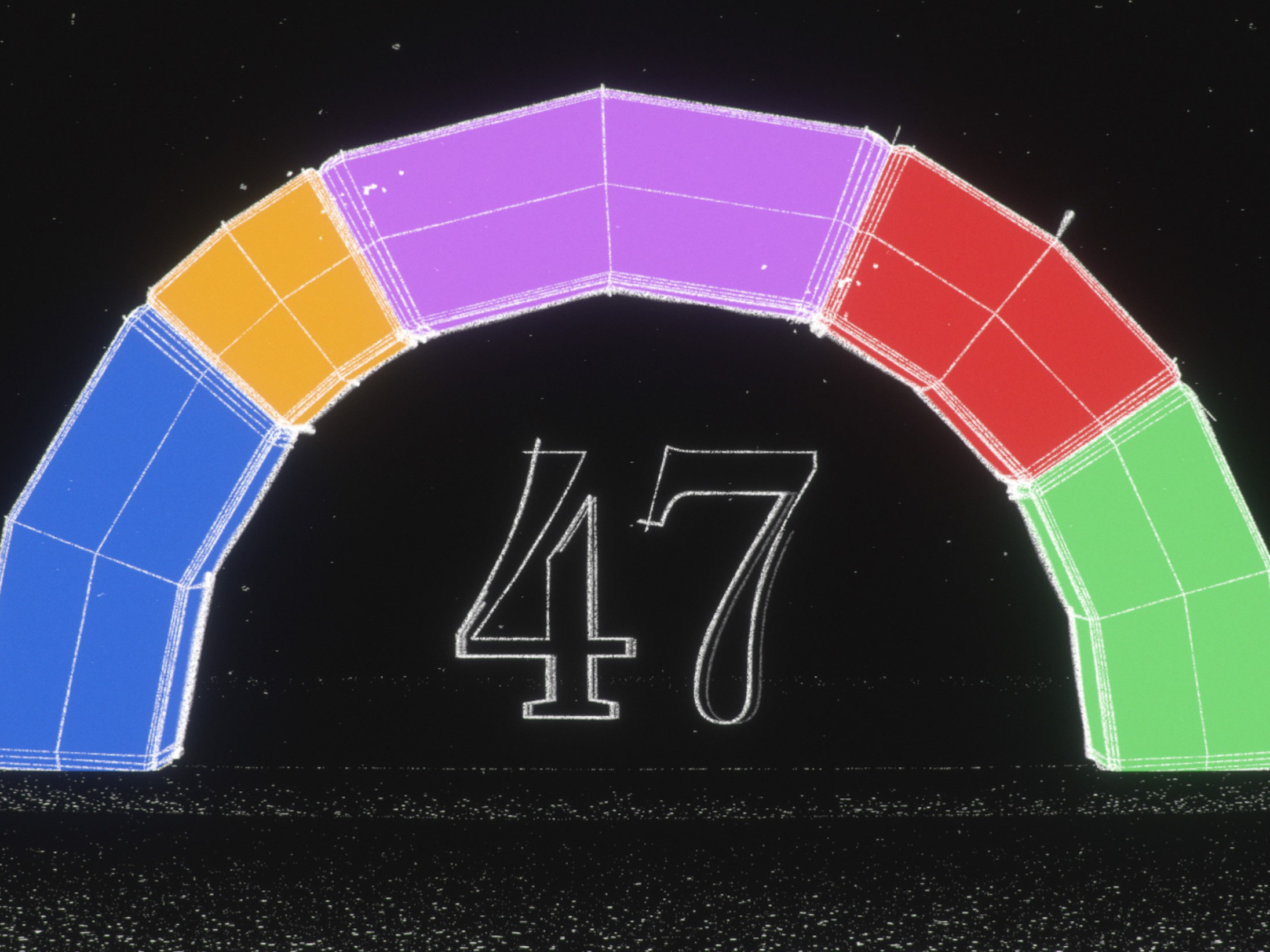
The titles grew from there. The opening sequence lays type over a shirt moving in the wind, easing us into a sporting mood before landing on the title itself: the number five from Zidane's shirt, cut out like a collage and sprayed over with the film's name. It borrows the language of neighbourhood graffiti — the same marks that decide who plays where in a pick-up game. The end credits run over the final shot and carry graffiti hand-drawn by Diego Gardo, animated.
All of it animated by hand in After Effects, frame by frame. The poster was designed in Photoshop, and exists in an animated version too.
Cinco Poster Design
Process & Techniques
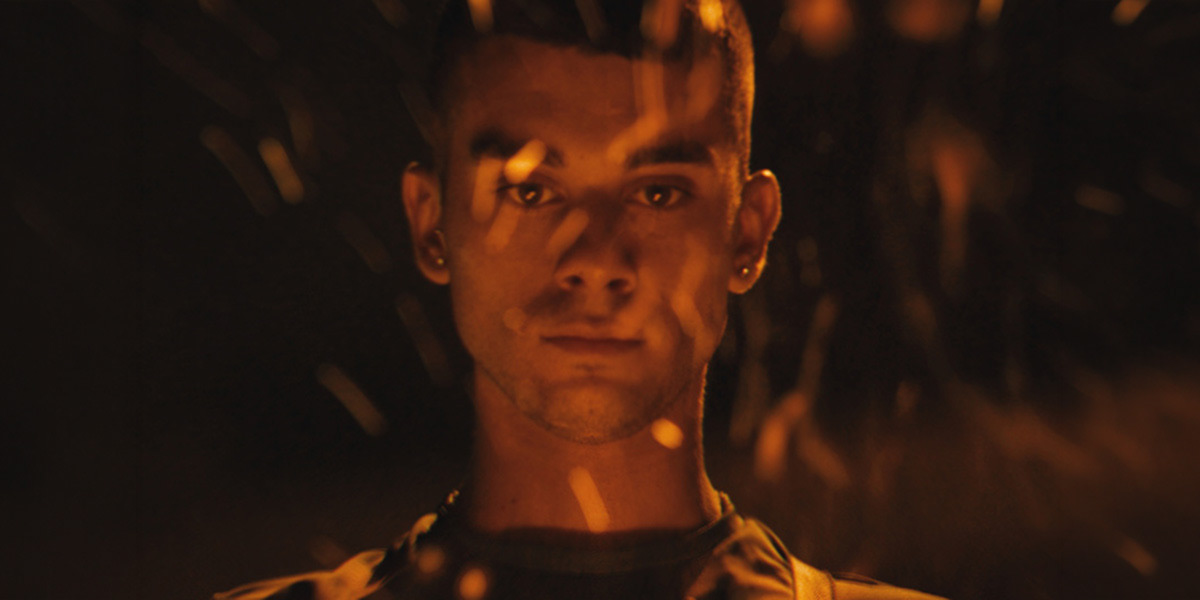
The bonfires carry half the film, and lighting real ones on location was never an option. What the story needed had to be built.
The film's main shot was filmed against green screen, with its background plate captured separately and the whole thing reassembled in post: integration, regrading, and fire built from scratch. The final shot follows the same approach.
The smoke and flames come from particles generated with Red Giant's Particular in After Effects and simulations in Cinema 4D, brought together in After Effects and blended with library elements to settle the finer detail. It is, above all, a compositing job. The aim was never spectacle: the fire had to feel like it had always been in the room, warm enough to hold the scene and quiet enough to disappear into it.
Beyond the fire, the film needed 3D integration to hold continuity: a beer can and a set of festive bunting, rendered in Redshift and tracked into the plates. There's also a short altered sequence, built from delays, chromatic aberration and glitches. And then the quiet work that nobody is meant to notice: tracking, masking, clean-ups, compositing.
Recognition
Credits
VFX Supervision, Graphics & Poster Design: Alberto Martín Paz
Written & Directed by: Diego Gardo & Víctor Candela
Production: La Castellane
Cast: Alex Mola, Junior Natera, Sharon Sánchez, Pablo Verdugo